Abstract White Geometric Pattern Design: A Timeless Element in Modern Art and Decor
When it comes to design, simplicity often speaks the loudest. Abstract white geometric pattern design is a perfect example of this principle, offering a clean, elegant, and versatile aesthetic that resonates across various industries—from fashion to interior design, digital media to product packaging. This style combines the clarity of geometry with the subtlety of monochrome tones, creating visuals that are both modern and timeless.
What Makes Abstract White Geometric Patterns Unique?
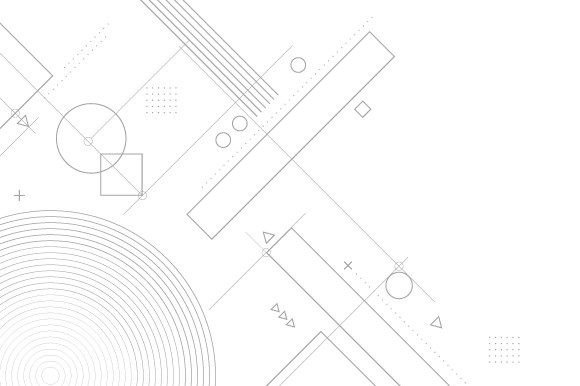
The beauty of abstract white geometric pattern design artwork lies in its ability to balance complexity and minimalism. These patterns typically feature shapes like triangles, circles, lines, and polygons arranged in non-representational forms. The use of white as the dominant color gives them a sense of openness and sophistication, making them ideal for backgrounds or accent pieces where they won't overwhelm other elements.
- Minimalist Appeal: Clean lines and limited color palettes align perfectly with minimalist design trends.
- Scalable Versatility: Being vector-based means these designs can be resized without losing quality—perfect for any project size.
- Neutral Tone: White allows the patterns to blend seamlessly into diverse color schemes and environments.
- Modern Vibe: The abstract nature of the design brings a contemporary edge suitable for both traditional and digital platforms.
Overlapping Shapes and Shadow Effects
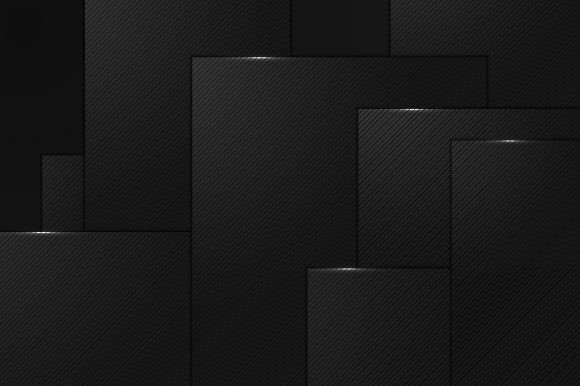
One of the defining characteristics of this design style is the use of overlapping with shadow pattern. By layering different geometric elements and adding subtle shadows, designers create depth and visual interest while maintaining a low-key appearance. This technique helps break up the flatness of pure white patterns, giving them dimension and a more dynamic feel.
Shadow effects can be used strategically to guide the viewer’s eye through the composition, emphasize focal points, or add texture. For instance, in web design, an overlapping white geometric background with soft shadows can make content areas stand out without being intrusive. In print, such as invitations or brochures, the same technique enhances the tactile experience of the piece.
Practical Uses in Today's Creative Projects
Thanks to their adaptability and clean look, abstract white geometric patterns have found their way into numerous creative fields. Here are some common applications:
- Interior Design: These patterns are frequently used in wallpaper, textiles, and wall art to add a touch of modernity to spaces without overwhelming them.
- Graphic Design: As a decorative style, they serve as excellent backdrops for logos, branding materials, and website headers.
- Fashion: Designers incorporate geometric motifs into clothing and accessories for a bold yet sophisticated statement.
- Product Packaging: Their neutral tone works well on luxury or eco-friendly products, where the focus is on the brand or item itself.
- Digital Media: From social media banners to app interfaces, these patterns help maintain a cohesive and professional look.
Why Vector Format Matters
Many creators prefer using vector resolution 300 dpi when working with abstract white geometric patterns. Unlike raster images, which degrade in quality when scaled up, vector graphics remain sharp and clear at any size. This makes them especially useful for high-quality printing and large-format displays.
Vector files also allow for easy customization. Users can modify colors, shapes, and sizes directly within design software like Adobe Illustrator or Inkscape. This level of flexibility ensures that each application of the design feels unique and tailored to the project's needs.
Creating and Using Abstract White Geometric Patterns
For those looking to integrate this design into their work, understanding the right tools and techniques is key. Many online marketplaces now offer pure vector format downloads of abstract white geometric pattern designs. These files are typically provided in multiple formats such as EPS10 and JPEG, ensuring compatibility with a wide range of projects and platforms.
EPS10 files, for example, are fully editable and scalable, making them a top choice for designers who want to tweak the layout or color scheme. On the other hand, JPEG files are great for quick-use scenarios where a high-resolution image is needed but editing isn’t required.
Moreover, since these files come without watermarks, users can confidently implement them in commercial projects or personal creations without worrying about copyright issues or visual distractions.
Design Tips for Working with White Geometric Patterns
To get the most out of your abstract white geometric pattern design, consider the following tips:
- Contrast is Key: Use darker or vibrant colors to highlight the pattern and create visual hierarchy.
- Balance Layers: If you're using overlapping shapes, ensure there's a good balance between transparency and opacity to avoid clutter.
- Test on Different Surfaces: Before finalizing a project, preview how the pattern looks on paper, fabric, or screen to catch any unintended effects.
- Experiment with Scale: Adjust the size of individual elements to find the most visually appealing arrangement.
These considerations can help you tailor the design to fit your vision precisely, whether you’re aiming for a subtle background or a standout feature.
Choosing the Right File Type for Your Project
When purchasing an abstract white geometric pattern design, it's important to know what file types you'll receive. Most sellers provide ZIP files containing multiple versions, such as EPS10 adjustable and JPEG Original, along with instructions for use.
EPS10 is preferred by professionals because it supports full scalability and editing. It's particularly beneficial for print work, where precision and detail matter. Meanwhile, the JPEG original is handy for digital use cases like websites or presentations, offering a ready-to-use image format without the need for further processing.
Having access to both formats provides flexibility, allowing you to choose the best option depending on the platform or medium you're designing for.
Real-World Applications and Examples
Let’s take a closer look at how this design style translates into real-world usage:
In interior design, abstract white geometric patterns are often used in living rooms or offices to add a sense of order and calm. They can be applied to curtains, cushions, or even flooring to create a cohesive and stylish space. The overlapping with shadow pattern adds just enough contrast to keep the room from feeling too sterile.
In web design, these patterns serve as elegant backgrounds for landing pages, portfolio sites, or blog sections. Their minimal style complements text-heavy layouts, helping to reduce cognitive load on the user. Pairing them with a dark font or accent color creates a strong visual impact without compromising readability.
For branding, companies use white geometric patterns to craft logos and promotional materials that reflect innovation and cleanliness. These designs are especially popular among tech startups, wellness brands, and lifestyle products, where a modern and uncluttered look is essential.
Considerations Before Selecting a Pattern
While abstract white geometric patterns are highly adaptable, there are a few factors to consider before choosing one for your project:
- Project Purpose: Will it be used digitally or in print? High-resolution vector files are crucial for print media.
- Target Audience: Does the pattern align with the style and expectations of your audience? Minimalist designs tend to appeal to professional or modern demographics.
- Compatibility: Ensure the file type (like EPS10) is supported by your design software or printing service.
- Customization Needs: If you plan to change colors or shapes, opt for editable vector files rather than static images.
By keeping these aspects in mind, you can select a pattern that not only looks great but also serves its intended function effectively.
Where to Find Quality Files
With the growing popularity of abstract white geometric pattern design, many platforms now host collections of professionally created artworks. Look for marketplaces that provide ZIP files - EPS10 adjustable - JPEG Original options, so you can pick the best format for your needs. Always verify that the purchased file is provided without a watermark to ensure it's ready for use in all contexts.
Some designers also offer layered files, allowing for greater control over individual elements. This is especially useful if you want to modify the design beyond basic color changes, such as repositioning shapes or adjusting shadow intensity.
Conclusion Through Application
Whether you're a designer, artist, or DIY enthusiast, abstract white geometric pattern design offers a powerful tool for enhancing your work. Its combination of simplicity and visual depth makes it suitable for a broad range of uses, from digital illustrations to printed merchandise. And with vector resolution at 300 dpi and no watermarks, you can trust that the quality will meet professional standards.
By exploring the overlapping with shadow pattern technique and leveraging the flexibility of vector formats, you can bring a fresh and modern perspective to your next project. So the next time you're seeking a design that's both functional and fashionable, remember the quiet strength of white geometric abstraction.