Butterfly Pattern: Creative Inspiration for Designers
The butterfly pattern is more than just a visual motif; it's a symbol of transformation, beauty, and artistic expression. With its intricate wings and delicate details, this design element has become a staple in the world of textiles, digital art, and creative projects. Whether you're a beginner exploring new styles or a professional seeking versatile assets, the butterfly pattern offers endless possibilities for innovation and personalization.
What Is a Butterfly Pattern?
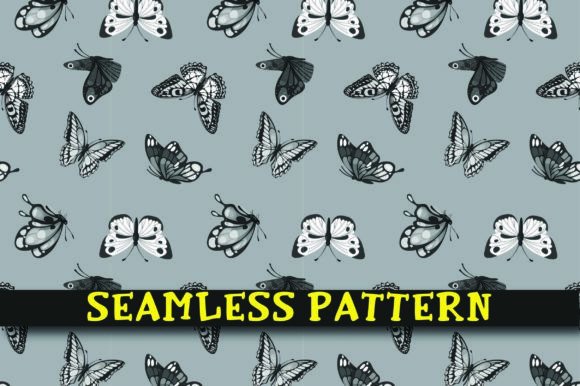
A butterfly pattern typically features the elegant shape of a butterfly, often repeated in a seamless design. These patterns can be stylized in various ways, from realistic illustrations to abstract representations. They are commonly used in textile design, fabric printing, and graphic elements. The pattern’s natural symmetry and flowing lines make it ideal for creating visually appealing compositions that work well in both traditional and modern contexts.
Why Different Audiences Care About Butterfly Patterns
The appeal of butterfly patterns varies depending on who is using them. For beginners, they offer an accessible way to experiment with design and color. For professionals, they provide a reliable and adaptable resource that can be customized for different applications. Educators might use them as teaching tools to explore themes like nature, symmetry, and artistic development. Business owners could incorporate these patterns into products such as clothing, packaging, or home decor to attract customers looking for unique, eye-catching designs.
How Beginners Might Use Butterfly Patterns
If you're new to design, butterfly patterns can serve as a great starting point. They are easy to recognize and can help you understand how repetition, balance, and flow work in visual composition. You might use them as a base for your own artwork, or integrate them into simple projects like t-shirt prints, scrapbooking, or wall art. The key for beginners is to focus on learning how to manipulate and adapt the pattern to fit their creative vision.
Why Professionals Value Butterfly Patterns
For experienced designers, the butterfly pattern represents flexibility and quality. High-resolution vector files allow for precise scaling without loss of detail, making them ideal for commercial use. Professionals in fashion, interior design, or digital media often rely on these patterns for their versatility. They can be used in sublimation printing, fabric design, or as background elements in posters and marketing materials. The ability to customize the pattern ensures that it remains relevant across different industries and trends.
Practical Applications for Different User Types
Butterfly patterns are not limited to one specific field. Here are some examples of how different users might apply them:
- Entrepreneurs: Use butterfly patterns on product packaging or branding materials to create a cohesive and appealing aesthetic.
- Bloggers: Incorporate butterfly-themed graphics into posts or social media content to add visual interest and align with seasonal or thematic topics.
- Teachers: Introduce students to design principles through butterfly pattern exercises, encouraging creativity and attention to detail.
- Hobbyists: Apply the pattern to DIY projects like quilting, scrapbooking, or custom t-shirts for personal enjoyment.
- Marketers: Leverage the pattern in promotional materials to evoke feelings of elegance, nature, or renewal.
Key Considerations When Choosing Butterfly Patterns
When selecting butterfly patterns, consider factors such as quality, format, and intended use. Vector files like EPS and AI ensure scalability and clarity, while seamless patterns allow for continuous repeats without visible seams. For those working on commercial projects, it's important to verify licensing terms to avoid legal issues. Additionally, the style of the pattern—whether retro, abstract, or realistic—should align with the overall design concept.
Matching Butterfly Patterns to Your Goals
Not every butterfly pattern will suit every project. If you're aiming for a vintage look, seek out patterns with hand-drawn or painted textures. For a modern aesthetic, opt for clean, minimalist designs. If your goal is to create something unique, consider combining the butterfly pattern with other elements like floral motifs or geometric shapes. The key is to find a pattern that complements your vision and meets your technical requirements.
Final Thoughts
The butterfly pattern is a powerful tool for anyone involved in design, whether as a hobby or a profession. Its adaptability makes it suitable for a wide range of applications, from fabric design to digital art. By understanding how different users approach and benefit from this pattern, you can better determine if it aligns with your goals, skill level, and creative needs. Explore, experiment, and let the beauty of the butterfly inspire your next project.