Chinoserie Patterns: A Versatile Choice for Creative Projects
Chinoserie patterns have become a popular choice among artists, crafters, and designers looking to add an exotic and elegant touch to their work. These designs are inspired by traditional Chinese motifs but adapted through a Western artistic lens, often incorporating elements like dragons, pagodas, floral arrangements, and intricate landscapes in stylized forms. While they may not be authentic representations of Chinese art, Chinoserie patterns offer a unique aesthetic that blends cultural influences with creative versatility.
Understanding the Appeal of Chinoserie Patterns
The allure of Chinoserie patterns lies in their ability to evoke a sense of mystery, sophistication, and historical charm. They are commonly found in decorative arts, textiles, ceramics, and now digital design formats. The term "Chinoserie" itself is derived from the French word for China, reflecting its origins in European interpretations of East Asian culture during the 17th and 18th centuries. Today, these patterns continue to inspire modern creators who seek to infuse their projects with a timeless yet distinctive look.
For many users, the appeal of Chinoserie patterns is twofold: they provide visual interest and can serve as a conversation starter due to their rich cultural associations. Whether you're designing a scrapbook layout, creating custom stationery, or wrapping a gift, these patterns can bring a sense of grandeur and uniqueness to your project.
Benefits of Using Chinoserie Patterns
- Versatility: Chinoserie patterns are suitable for a wide range of applications, including digital prints, wall art, greeting cards, and planner backgrounds. Their adaptability makes them ideal for both personal and professional creative endeavors.
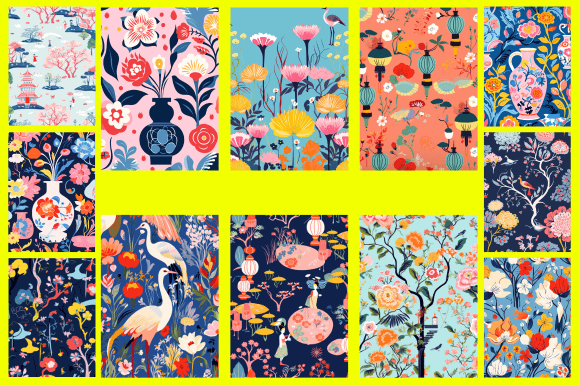
- High-Resolution Quality: With access to digital versions, such as the 12 high-resolution papers included in a single zip file, users can ensure sharp, clear prints regardless of the medium used.
- Cultural Fusion: These patterns blend Eastern and Western design elements, offering a globally inspired look that appeals to diverse audiences without being overly literal in its representation.
- Print-on-Demand Flexibility: As digital products, Chinoserie patterns allow for on-demand printing, enabling users to produce exactly what they need, when they need it, without excess waste or inventory.
Considerations and Tradeoffs
While Chinoserie patterns offer many advantages, there are also important considerations to keep in mind before using them in your projects:
- Authenticity vs. Aesthetic: Chinoserie is a stylized interpretation rather than an authentic depiction of Chinese culture. For projects requiring cultural accuracy, alternative designs might be more appropriate.
- Color Variation: Since colors can vary depending on monitor settings and printing methods, it's wise to review samples on different devices or test prints before finalizing large-scale use.
- Design Complexity: Some Chinoserie patterns are quite detailed, which can be overwhelming if not paired correctly with other design elements. Simpler compositions may benefit more from subtle background usage.
- Licensing and Usage Rights: Always verify the terms of use provided by the seller. Digital pattern bundles, like those containing JPEG files for printables, should clarify whether they are for personal or commercial use.
When to Choose Chinoserie Patterns
Chinoserie patterns are particularly well-suited for certain types of projects where their ornate style enhances the overall design. Here are some situations where they may be a strong fit:
- Gift Wrapping and Packaging: The bold and decorative nature of Chinoserie patterns makes them excellent for wrapping gifts or creating custom packaging that stands out.
- Greeting Cards and Stationery: Their intricate details and color palettes add a touch of elegance to personalized cards, invitations, and letterheads.
- Scrapbooking and Journaling: The patterns can complement vintage or themed layouts, especially when working with ephemera or junk journals.
- Wall Art and Decor: If you're aiming for a bohemian or eclectic interior design, Chinoserie patterns can add visual depth and character to canvas prints or framed compositions.
- Craft Stickers and Tumbler Wraps: The repeatable nature of digital papers ensures seamless coverage for items like acrylic tumblers or custom stickers, enhancing their aesthetic appeal.
Alternatives to Consider
Although Chinoserie patterns are visually striking, they may not always align with every project's goals. Here are scenarios where alternatives could be worth exploring:
- Minimalist Designs: For clean, modern aesthetics, simpler abstract patterns or solid-colored backgrounds may be more effective.
- Cultural Sensitivity: In cases where accurate cultural representation is crucial—such as educational materials or museum exhibits—consider using patterns directly inspired by traditional Chinese art.
- Modern Themes: If your project leans toward contemporary styles, watercolor illustrations or geometric patterns might better suit the intended tone.
- Printing Constraints: Extremely detailed patterns may not translate well to certain printing techniques or surfaces. Testing small prints or choosing less complex designs can prevent disappointing results.
How to Evaluate Whether Chinoserie Patterns Are Right for You
Deciding whether to incorporate Chinoserie patterns into your work requires thoughtful evaluation based on your specific needs and objectives. Ask yourself the following questions to help guide your decision:
- Does the project call for a bold, decorative style, or do I prefer something understated?
- Am I targeting a niche audience that appreciates global-inspired themes?
- Will the pattern enhance the content or distract from it?
- Do I need flexibility in how and where I apply the design?
- Are there any licensing restrictions I must follow for my intended use?
If you're seeking a versatile, eye-catching option for your next creative venture, Chinoserie patterns can be a valuable addition to your toolkit. However, if subtlety, simplicity, or cultural authenticity is a priority, it's worth considering other pattern styles that better align with your vision.
Practical Tips for Using Chinoserie Patterns
To get the most out of Chinoserie patterns, especially when using them in digital formats like the 12 printable papers available in this bundle, consider the following insights:
- Layer Thoughtfully: Use Chinoserie patterns as accents or backgrounds rather than dominant features to maintain balance in your composition.
- Test Colors Before Printing: Because digital displays and printers can render colors differently, always print a sample first to assess the final outcome.
- Pair with Complementary Styles: Combine these patterns with elements like kawaii illustrations, vintage typography, or watercolor textures to create cohesive and dynamic designs.
- Utilize Repeat Features: When using pattern repeats, ensure the alignment is seamless for tumbler wraps, wallpaper, or fabric-like applications.
Ultimately, the success of using Chinoserie patterns depends on how well they integrate with your overall design approach. By understanding their strengths and limitations, you can make informed choices that elevate your creative output while staying true to your project’s intent.
Final Thoughts
Chinoserie patterns represent a fascinating intersection of cultural influence and artistic creativity. They are ideal for adding a touch of elegance and visual intrigue to a variety of projects, especially when working with digital tools and print-on-demand options. With 12 high-quality digital papers in one convenient zip file, experimenting with these designs has never been easier.
Before making a purchase or selecting a pattern, take time to evaluate your needs and how well Chinoserie fits within your creative goals. Whether you're a seasoned designer or just starting out, these patterns can be a powerful asset—if used thoughtfully and purposefully.