Japanese Traditional House Dark Pattern: A Modern Design Trend with Cultural Depth
In the world of digital design and visual storytelling, the Japanese traditional house dark pattern has emerged as a compelling aesthetic choice. This unique style combines the elegance of traditional architecture with the boldness of dark backgrounds, creating a visually striking contrast that captures attention and conveys a sense of mystery. For designers, educators, and entrepreneurs, this pattern offers a versatile tool that can be adapted to a wide range of creative and commercial applications.
Understanding the Japanese Traditional House Dark Pattern
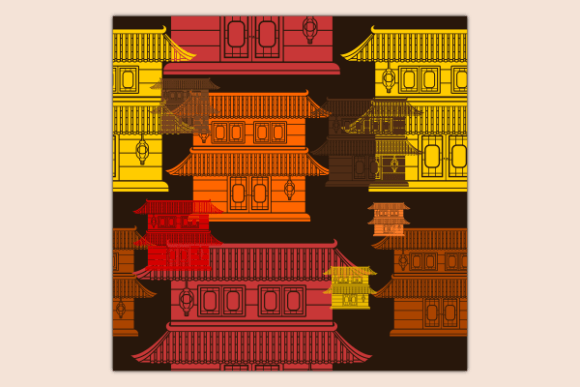
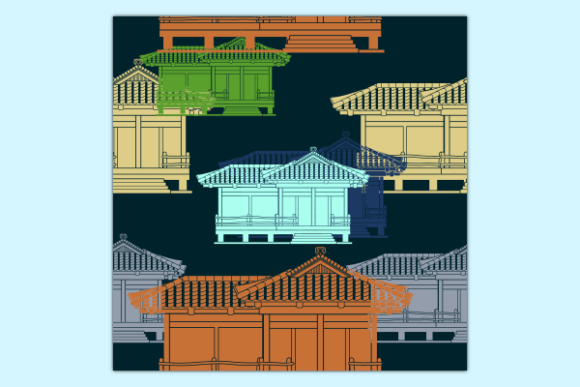
The Japanese traditional house dark pattern is a design concept that features a front view of a traditional Japanese house rendered in a flat, monochrome style. This illustration is then transformed into a seamless pattern, often with various color options, and set against a dark background. The result is a sophisticated and versatile graphic that can be used in multiple contexts, from digital interfaces to physical products.
This design approach draws inspiration from the simplicity and harmony of traditional Japanese architecture, such as the iconic gabled roofs, sliding doors, and wooden structures. By using a dark background, the design emphasizes the intricate details of the house while maintaining a modern and minimalist feel.
Why It Matters in Today’s Design Landscape
The relevance of the Japanese traditional house dark pattern lies in its ability to bridge cultural heritage with contemporary design needs. As more people seek meaningful and authentic experiences, this pattern serves as a visual representation of Japan's rich architectural history. It resonates with audiences who appreciate both aesthetics and cultural significance.
Moreover, the trend aligns with current design movements that prioritize minimalism, storytelling, and emotional resonance. In an era where users are bombarded with information, a well-crafted visual like this can stand out and create a lasting impression. Whether it's for branding, marketing, or educational purposes, the dark pattern offers a fresh perspective on traditional motifs.
Applications Across Industries
The versatility of the Japanese traditional house dark pattern makes it suitable for a variety of industries. For instance, in the fashion and textile sector, it can be used as a fabric pattern, adding a cultural flair to clothing and accessories. In the realm of invitations and cards, the design provides a unique and elegant backdrop that reflects the theme of the event.
Merchandise such as mugs, t-shirts, and stationery can also benefit from this pattern, offering consumers a way to incorporate traditional Japanese elements into their daily lives. Additionally, the design can serve as a decorative element in tourism and cultural education projects, helping to promote awareness and appreciation of Japan's architectural heritage.
How to Use the Editable SVG Vector
The Japanese traditional house dark pattern is typically provided as an editable SVG vector, allowing users to customize the design according to their specific needs. This format is particularly useful for designers who want to modify colors, adjust sizes, or integrate the pattern into different projects seamlessly.
For those unfamiliar with SVG editing, software like Inkscape offers a user-friendly interface for making changes. With Inkscape, users can easily tweak the design, experiment with different color schemes, and ensure that the final product meets their creative vision. The availability of additional file formats such as EPS, PDF, and high-resolution PNG further enhances the usability of the design across various platforms and mediums.
Trends and Future Directions
As the demand for culturally inspired designs continues to grow, the Japanese traditional house dark pattern is likely to gain even more traction. Designers and businesses are increasingly looking for ways to incorporate authenticity and uniqueness into their work, and this pattern offers a perfect solution. Its adaptability allows it to evolve with changing trends while maintaining its core identity.
Furthermore, the integration of this design into digital spaces, such as websites and mobile apps, reflects a broader shift towards incorporating cultural elements into user experiences. This not only enhances visual appeal but also fosters a deeper connection between the audience and the content.
Practical Implications for Creators and Businesses
For creators and businesses, the Japanese traditional house dark pattern presents numerous opportunities. It can be used to differentiate a brand, add depth to a project, or create a memorable visual identity. By leveraging this design, professionals can tap into the growing interest in cultural aesthetics and offer something that stands out in a competitive market.
Additionally, the pattern's flexibility makes it ideal for collaborative projects, where multiple stakeholders can contribute to the design process. Whether it's for a marketing campaign, an educational initiative, or a creative endeavor, the dark pattern provides a solid foundation for innovation and expression.
Conclusion: Embracing Tradition in Modern Design
The Japanese traditional house dark pattern exemplifies how traditional elements can be reimagined for contemporary use. By combining the beauty of Japanese architecture with modern design principles, this pattern offers a unique and valuable resource for creators, educators, and businesses alike. Its adaptability, cultural significance, and aesthetic appeal make it a compelling choice for those looking to infuse their work with meaning and style.