Textile Fabric Tartan or Plaid Retro: A Timeless Pattern for Modern Design
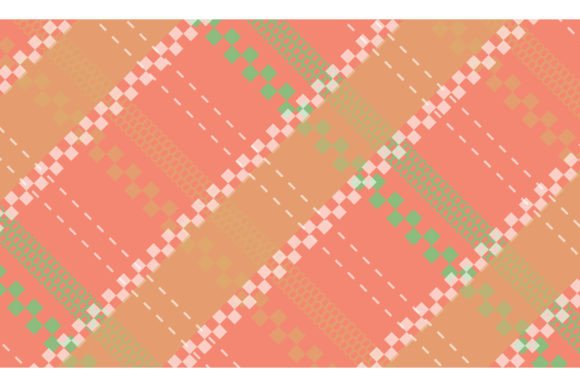
The Textile Fabric Tartan or Plaid Retro pattern has long been a staple in the world of design, offering a unique blend of historical charm and modern versatility. This distinctive pattern, characterized by its intersecting horizontal and vertical stripes in a variety of colors, has evolved over time to become a popular choice for both functional and decorative applications. Whether used as a background, an element in graphic design, or as a print for textiles, the retro plaid pattern continues to captivate designers and consumers alike.
What Makes Textile Fabric Tartan or Plaid Retro Distinct?
Textile Fabric Tartan or Plaid Retro is more than just a pattern—it’s a design language that carries cultural and historical significance. Originating from Scottish clans, tartan patterns were traditionally used to identify family lineage and regional affiliations. Over time, these patterns have been adapted into a broader aesthetic that appeals to a wide range of tastes and styles.
The key features of this pattern include its structured grid of colors and the way it can be manipulated to create visual interest. The retro aspect of the design often incorporates muted tones, vintage color palettes, and a sense of nostalgia that resonates with many audiences. This makes it particularly appealing for projects that aim to evoke a sense of history or warmth.
Unlike other abstract or geometric patterns, the Textile Fabric Tartan or Plaid Retro offers a balance between complexity and simplicity. It can be bold and eye-catching or subtle and refined, depending on the color choices and scale of the design. This adaptability allows it to fit into various design contexts, from fashion and interior decor to digital graphics and packaging.
Comparing Textile Fabric Tartan or Plaid Retro with Similar Options
When considering design options, the Textile Fabric Tartan or Plaid Retro stands out among other patterns such as solid colors, stripes, checks, and abstract prints. Each of these alternatives has its own strengths and limitations, and understanding how they compare can help in making an informed decision.
Solid colors are straightforward and versatile, offering a clean and minimalist look. They work well in environments where simplicity and clarity are important. However, they lack the visual depth and character that a plaid pattern can provide. Stripes, on the other hand, offer a dynamic feel but may not carry the same historical or cultural weight as tartan patterns.
Checks, which are similar to plaid in structure, often feature smaller and more varied blocks of color. While they can be equally effective in certain applications, they tend to be less associated with the retro aesthetic that defines Textile Fabric Tartan or Plaid Retro. Abstract prints, meanwhile, offer a high degree of creativity but may not always align with the traditional or nostalgic elements that some designers seek.
In terms of texture and design, the Textile Fabric Tartan or Plaid Retro provides a tactile quality that can enhance the overall experience of a product or space. This is especially true when used in physical textiles such as fabrics, rugs, or wall coverings. Its structured layout also makes it easier to integrate into layouts where visual hierarchy and organization are important.
Strengths and Tradeoffs of Using Textile Fabric Tartan or Plaid Retro
One of the main strengths of the Textile Fabric Tartan or Plaid Retro is its ability to add depth and character to any design. It can serve as a focal point or a supporting element, depending on the context. This flexibility makes it suitable for a wide range of applications, from branding and marketing materials to home decor and fashion accessories.
Another advantage is its compatibility with different color schemes. Whether paired with neutral tones for a subtle effect or combined with vibrant hues for a bold statement, the pattern can be adjusted to suit various design goals. This adaptability also extends to different scales, allowing it to be used in everything from large-scale backgrounds to small details.
However, there are tradeoffs to consider. In some cases, the complexity of the pattern may overpower simpler design elements, leading to a cluttered or confusing visual outcome. Additionally, the retro aesthetic may not align with all modern design trends, particularly those that prioritize minimalism or futuristic styles. This means that the suitability of the pattern depends on the specific project and target audience.
From a practical standpoint, the availability of different file formats—such as AI, EPS, PNG, JPG, and SVG—makes it easier to use the pattern across multiple platforms and mediums. These formats allow for scalability, transparency, and vector-based precision, ensuring that the design maintains its quality regardless of the application.
When to Choose Textile Fabric Tartan or Plaid Retro
The Textile Fabric Tartan or Plaid Retro is ideal for projects that benefit from a sense of history, tradition, or nostalgia. It works well in environments where warmth and character are important, such as home interiors, vintage-themed events, or products aimed at consumers who appreciate classic aesthetics.
It is also a strong choice for branding and marketing efforts that want to convey a sense of authenticity or heritage. For example, a clothing brand that emphasizes craftsmanship and timeless style may find the pattern to be a valuable asset in their visual identity. Similarly, a restaurant or café looking to create a cozy, inviting atmosphere could use the pattern in its décor or menu design.
For digital designers, the pattern can serve as a background or texture that adds visual interest without overwhelming the content. It is particularly effective in websites, apps, or social media graphics where a balance between creativity and readability is essential.
Alternatives and When to Consider Them
While the Textile Fabric Tartan or Plaid Retro is a compelling option, there are situations where other patterns may be more appropriate. For instance, if the goal is to create a clean, modern look, a solid color or a simple geometric pattern might be a better fit. These alternatives can provide a more streamlined appearance that aligns with contemporary design trends.
For projects that require a high level of customization or uniqueness, abstract or custom-designed patterns may offer greater flexibility. These options allow for more creative freedom and can be tailored to specific brand identities or artistic visions. However, they may also require more time and resources to develop and implement.
Additionally, in environments where minimalism is a priority, the complexity of a plaid pattern may not be desirable. In such cases, simpler designs that emphasize space, line, and form may be more effective in achieving the desired visual impact.
Realistic Examples and Practical Comparisons
Consider a scenario where a designer is creating a promotional poster for a music festival. If the event has a vintage or retro theme, the Textile Fabric Tartan or Plaid Retro could be used as a background to reinforce the nostalgic vibe. In contrast, if the festival is focused on electronic or experimental music, a more abstract or digital pattern might be more appropriate.
Another example involves a home decor project. A homeowner looking to update their living room might choose a plaid fabric for throw pillows or curtains to add a touch of warmth and character. However, if the space already has a lot of patterned elements, a solid-colored fabric might be a better choice to maintain balance and harmony.
These examples illustrate how the suitability of the Textile Fabric Tartan or Plaid Retro depends on the specific needs and goals of the project. By carefully evaluating the context, audience, and design objectives, users can determine whether this pattern is the right choice or if another option would be more effective.